Living in a small space can be a challenge, especially when it comes to decorating. Limited square footage means every decision matters – from the furniture you choose to the colors you paint your walls. But small doesn’t have to mean cramped or dull. With some creativity and smart planning, you can transform your compact home into a cozy, stylish haven that feels spacious, welcoming, and uniquely yours.
In this post, we’ll explore the best home decorating ideas for small spaces that maximize functionality without compromising on style. Whether you live in a studio apartment, a tiny home, or just want to optimize a small room, these practical tips and design tricks will help you make the most of every inch.

Best Home Decorating Ideas
1. Embrace Minimalism: Less Is More
One of the easiest ways to make a small space feel larger and more serene is by adopting a minimalist approach. This means reducing clutter and focusing on essential, well-chosen pieces.
-
Declutter Regularly: The fewer items you have, the less cramped your space will feel. Evaluate your belongings often and keep only what you truly love and use.
-
Choose Multipurpose Furniture: Look for items that serve more than one function, such as storage ottomans, sofa beds, or nesting tables.
-
Use Clean Lines: Opt for furniture with slim profiles and simple designs to keep the room feeling airy.
Minimalism not only makes your space look bigger but also promotes a calm, open atmosphere—a perfect antidote to the stress that clutter can cause.

2. Opt for Light Colors and Reflective Surfaces
Color choice is crucial in small spaces. Dark hues can absorb light and make a room feel closed in, while lighter colors reflect light to create an expansive feeling.
-
Stick to Light Neutrals: Whites, creams, soft grays, and pastels brighten your space and allow it to breathe.
-
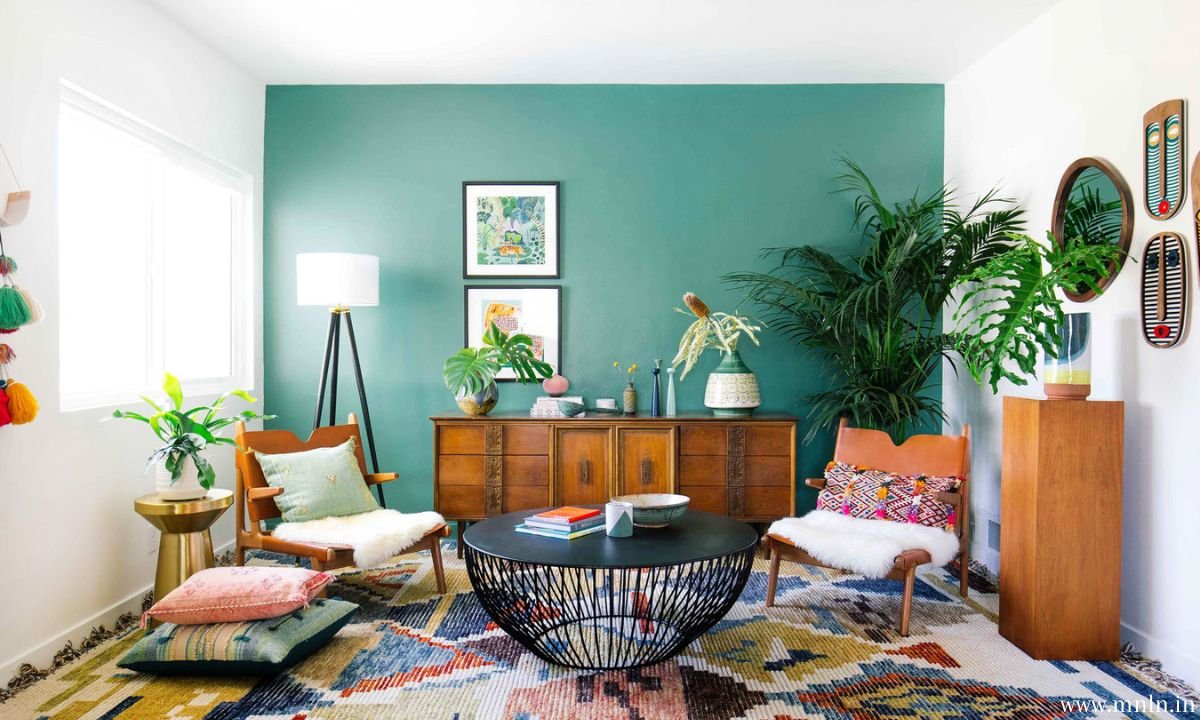
Accent with Bold Colors: Use colorful accessories or a single painted wall for personality without overwhelming the space.
-
Incorporate Mirrors: Large mirrors reflect light and visually double the size of the room. Consider placing a big mirror opposite a window.
-
Use Glossy Finishes: Reflective surfaces like glass tabletops, glossy tiles, or metallic fixtures bounce light around the room.
Together, these elements enhance brightness and openness, making small areas feel far more inviting.
3. Maximize Vertical Space
When floor space is limited, look up! Vertical storage and design features help eliminate clutter and add a sense of height to your room.
-
Use Wall Shelves: Open shelving units save floor space and keep essentials within easy reach.
-
Install Tall Cabinets: Cabinets that go up to the ceiling provide extra storage while drawing the eye upwards.
-
Hang Hooks and Pegboards: These are perfect for kitchens, bathrooms, or entryways to hold keys, bags, or utensils without taking up valuable floor room.
-
Create a Vertical Garden: Wall-mounted planters bring greenery into your home without using floor space.
Vertical storage not only helps organize your belongings but also adds architectural interest.
4. Choose Multi-Functional Furniture
Small spaces demand furniture that does double duty — or even triple! This kind of clever furniture lets you squeeze maximum functionality into a restricted area.
-
Sofa Beds or Daybeds: These can function as both seating and sleeping areas without needing a dedicated guest room.
-
Foldable or Extendable Tables: Ideal for dining or working, these can be collapsed or expanded as needed.
-
Storage Ottomans and Benches: Use them for seating, footrests, and secret compartments to hide clutter.
-
Murphy Beds: Wall-mounted beds fold away when not in use, freeing up floor space for other activities.
Investing in adaptable furniture lets your space transform fluidly, providing both comfort and convenience.
5. Use Smart Lighting Solutions
Good lighting can dramatically change the feel of a small space. Using layered and well-placed lighting helps to enlarge the perceived size of a room.
-
Combine Ambient and Task Lighting: Overhead lights create general illumination, while task lights like desk lamps or under-cabinet lighting serve specific functions.
-
Install Wall Sconces: These free up table and floor space while providing stylish lighting.
-
Use LED Strip Lights: Add them under shelves, cabinets, or behind TVs to create depth and prevent shadowing.
-
Choose Transparent Fixtures: Glass or acrylic lampshades avoid visual bulk.
Proper lighting emphasizes the best features of your space while keeping it bright and welcoming.

6. Keep Furniture Proportionate and Low Profile
Oversized furniture can quickly overwhelm a small room. Instead, focus on pieces that fit the scale and ensure easy movement.
-
Opt for Low-Back Chairs and Sofas: These create a more open visual line.
-
Pick Slim-Legged Furniture: Legs that lift furniture off the ground reveal more floor space and improve flow.
-
Avoid Heavy Upholstery: Lightweight fabrics and airy designs feel less bulky.
-
Use Transparent Materials: Acrylic or glass furniture, such as coffee tables or chairs, add function without crowding the room visually.
By choosing the right scale, you keep your space open and comfortable.
7. Define Zones with Rugs and Furniture Arrangement
In small open-plan layouts, creating distinct zones for sleeping, dining, or working helps organize space and makes it feel larger.
-
Use Rugs to Separate Areas: Different rugs or colors can designate the living area, dining nook, or workspace.
-
Arrange Furniture Strategically: Facing seating away from walls or floating furniture on rugs creates visual interest and flow.
-
Avoid Blocking Pathways: Ensure furniture placement doesn’t impede walking routes, keeping the room easy to navigate.
These zoning tricks add function and personality without crowding.
8. Incorporate Hidden Storage Solutions
Storage challenges can make small spaces feel cluttered. Using hidden storage options keeps personal items tucked away but accessible.
-
Under-Bed Storage: Utilize bins or drawers to store seasonal clothes, shoes, or spare bedding.
-
Built-In Storage: Custom shelves or cupboards built into walls optimize every nook.
-
Storage Headboards: Beds with shelves or compartments keep essentials at arm’s length.
-
Pull-Out Drawers: Built into sofas, tables, or stairs, these cleverly conceal belongings.
Smart storage helps maintain a clean, organized look that’s essential in tiny homes.
9. Add Mirrors and Transparent Elements
Small spaces benefit greatly from reflective and transparent features that visually expand the room.
-
Large Mirrors: Position opposite windows or artwork to bounce light and create the illusion of space.
-
Glass Doors: Use for cabinets or as room dividers instead of opaque alternatives to keep sight lines open.
-
Acrylic Chairs: These nearly disappear visually, reducing clutter.
-
Mirrored Furniture: Pieces like mirrored side tables or console tables reflect surroundings and add glam without bulk.
Such design choices create depth and dimension without sacrificing functionality.

10. Personalize with Art and Accessories
Just because your space is small doesn’t mean it can’t express your personality.
-
Choose a Few Statement Pieces: A large piece of colorful art or a gallery wall adds character and a focal point.
-
Use Vertical Wall Art: Hanging art higher directs eyes upward and makes ceilings feel taller.
-
Accent with Textiles: Throw pillows, cushions, and rugs add texture without taking up space.
-
Add Plants: Small pots, hanging plants, or terrariums add life and fresh air.
Personal touches bring warmth and make small spaces feel like home.
11. Utilize Sliding or Pocket Doors
Traditional swinging doors can eat into precious floor space. Sliding or pocket doors offer a sleek, space-saving alternative.
-
Pocket Doors: These slide into the wall, freeing up wall space.
-
Barn Doors: Mounted on a track, barn doors create visual interest while functioning in tight areas.
-
Frosted Glass Doors: Let light pass through while maintaining privacy.
These door types improve flow and preserve every inch of room.
12. Keep Windows Uncluttered to Maximize Natural Light
Natural light opens up small spaces and improves mood.
-
Avoid Heavy Drapes: Use sheer curtains, blinds, or leave windows bare if privacy allows.
-
Keep Window Sills Clear: Let light flow freely without visual obstruction.
-
Add Reflective Window Treatments: Light-colored curtains with a subtle sheen enhance brightness.
Bright, sunlit rooms always feel airy and expansive.
13. Stylish Storage Containers and Organizational Tools
Visible storage can look neat and intentional with attractive containers.
-
Use Baskets and Trays: Woven baskets or decorative trays keep things tidy and add texture.
-
Label Storage Boxes: Quick identification keeps clutter at bay.
-
Coordinate Colors: Use similar tones for containers to create a harmonious, unified look.
Elegant organization helps maintain a sense of calm and order.
14. Think Outside the Box: Creative Space Hacks
-
Use Corners Wisely: Corner shelves or desks turn overlooked areas into useful spots.
-
Install Pegboards: Great for kitchens, craft areas, or offices for hanging tools and supplies.
-
Fold-Up Desks or Tables: Save floor space when the table is not in use.
-
Hanging Beds or Loft Spaces: In extreme small spaces, consider loft beds or beds that fold up to free floor area.
These innovative ideas maximize utility and open new possibilities for living small.
15. Keep a Consistent Style and Palette
Consistency in style and color scheme enhances cohesion and visual flow.
-
Stick to a Limited Color Palette: Use 2-3 main colors to keep the room from feeling chaotic.
-
Repeat Textures and Materials: This builds a sense of continuity.
-
Choose Complementary Furniture: Even mixing styles works if color or scale is harmonious.
A well-curated look feels considered and spacious.